
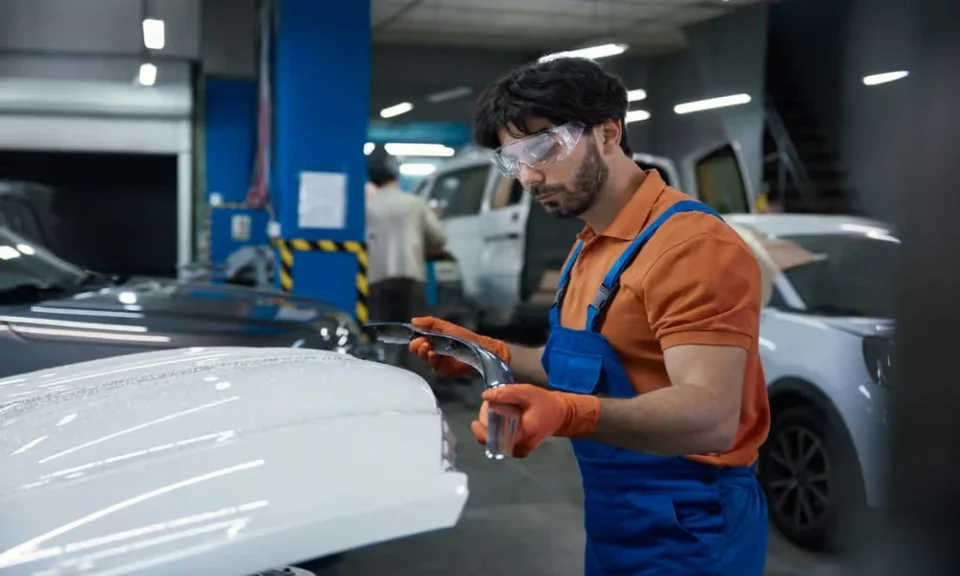
A major impact can leave damage that is easy to see and damage that remains hidden. Proper assessment helps identify both before repair work begins. The aim is to understand the vehicle condition clearly and plan suitable repair steps. Information from https://vicvaughancollision.com can also help people understand available repair considerations before making decisions.
People searching for reliable damage assessment usually want to know what should be checked after an accident. They also want to understand how repair decisions are made. Without a clear process, visible damage may receive attention while less obvious problems remain unnoticed.
Start with Structure
A structured assessment gives each damaged area proper attention. Guesswork can lead to missed problems or unnecessary work. A clear process starts with inspection, continues through measurement, and ends with verification.
- Inspect visible damage before planning repairs.
- Check nearby areas for hidden concerns.
- Record important measurements before adjustments.
- Compare findings with suitable vehicle specifications.
- Separate repairable parts from damaged replacements.
- Review completed work before returning the vehicle.
Check Impact Points
The first method focuses on where the impact occurred. Technicians examine affected panels, connected parts, and nearby mounting areas. This helps show how the force may have moved through the vehicle.
In real conditions, one damaged section can affect another nearby component. The main difficulty is that external damage does not always show the full extent of the impact.
Compare Vehicle Measurements
Measurements provide a clearer basis for repair decisions. Technicians compare selected points against suitable reference measurements. Differences can indicate movement that needs further attention.
This approach reduces reliance on visual judgment alone. However, access to accurate reference information can affect the assessment process. Incorrect measurements can also create further repair issues.
Review Connected Components
Damage assessment should not stop at the main damaged panel. Connected parts may also need inspection because impact forces can travel through nearby structures.
Technicians check surrounding areas for unusual movement, spacing, or fitting problems. The limitation is that some concerns may only become clear after a damaged component has been removed.
Follow A Repair Plan
A practical plan keeps the work organised from inspection through final checking.
- Photograph visible damage before repair work starts.
- Record measurements from relevant vehicle points.
- Identify parts requiring repair or replacement.
- Check connected sections before major adjustments.
- Complete repairs according to recorded findings.
- Recheck measurements after structural work finishes.
- Inspect panel alignment and component movement.
- Confirm the completed work before handover.
Common Mistakes
Many assessment problems begin with rushed decisions. Looking only at obvious damage can overlook nearby concerns. Another mistake is starting repairs before recording useful measurements.
Changing conditions can also affect the process. Different impact points create different damage patterns. Vehicle age, previous repairs, and replacement parts may also influence what technicians find during inspection.
Review Each Repair
Good assessment continues after the main repair work. Technicians review measurements, alignment, and component operation to confirm that earlier findings were addressed.
Information from https://vicvaughancollision.com can help readers understand repair services before seeking professional assistance. Still, every damaged vehicle requires its own inspection because no two impacts create exactly the same conditions.
Questions People Ask
- What should be checked after a major impact?Visible panels, structural areas, connected components, and alignment points should all receive suitable attention.
- Why are measurements important during damage assessment?Measurements provide a clearer reference for identifying movement and checking repair accuracy.
- Can visible damage show the complete problem?No. Some affected areas may remain hidden until surrounding components receive closer inspection.
- When should damaged parts be replaced?Replacement may be considered when a component cannot safely return to its required condition.
- Why should repairs be checked after completion?Final checks help confirm alignment, fitting, and operation before the vehicle is returned.
Consistency Improves Repair Decisions
Reliable assessment depends on repeating the same careful process for every vehicle. Inspection should lead to measurement. Findings should guide repair choices. Completed work should receive another review.
This approach does not depend on perfection at every stage. It depends on consistent checking and proper execution. A clear assessment process therefore helps reduce confusion, avoid unnecessary corrections and support more efficient repair work after major impacts.
