
Few experiences match the sudden frustration of turning your car key, only to hear a faint clicking noise or total silence. Whether you are rushing to a crucial business meeting or heading home after a long shift, a dead battery instantly halts your plans. In these moments, every minute feels like an eternity. Your immediate question naturally becomes: how quickly can someone fix this and get me moving again?
The beauty of modern mobile roadside assistance lies in its efficiency. Instead of waiting hours for a tow truck to haul your vehicle to a workshop, professional technicians bring the solution straight to your bonnet. Understanding the timeline of an emergency car battery replacement helps you manage your schedule and eases breakdown anxiety.
The Dispatch Phase: How Quickly Does Help Arrive?
The clock starts ticking the moment you call for help. Once you provide your precise location and vehicle details, the operator dispatches a nearby mobile rescue unit equipped with the correct battery specifications for your car model.
Response times vary depending on traffic conditions, weather, and your specific location. On average, a mobile technician reaches most urban stranded motorists within 30 to 45 minutes. If you are parked in a central area, assistance often arrives even faster. Booking an emergency car battery replacement eliminates the long wait times associated with traditional workshop towing, cutting down your total downtime significantly.
The Physical Swap: Quick Hands and Precision Work
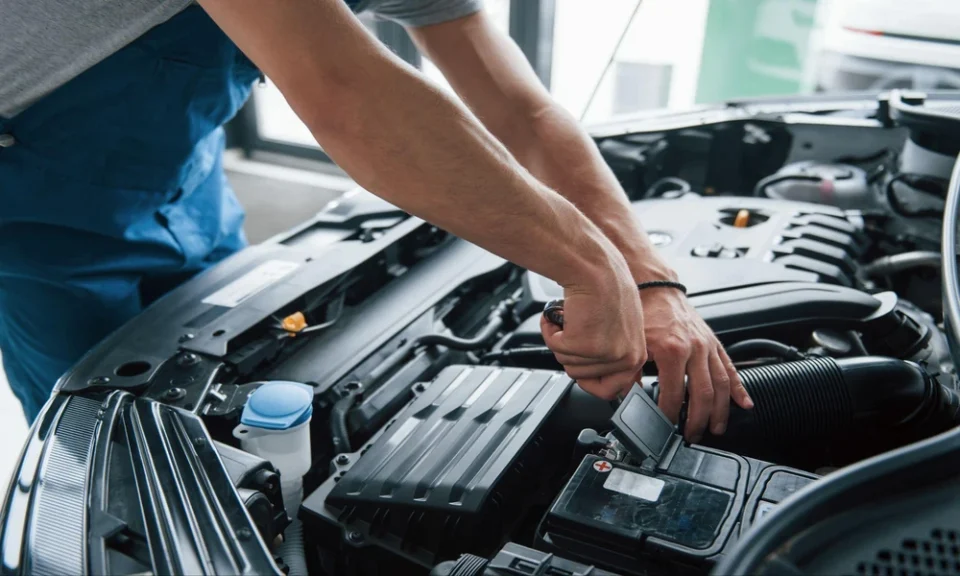
Once the technician pulls up alongside your vehicle, the physical replacement begins. Many drivers assume changing a battery takes hours, but an experienced technician performs the entire swap in roughly 15 to 30 minutes.
- Diagnostic Check (3-5 minutes) – The technician uses digital testers to confirm that a dead battery causes the issue, rather than a faulty alternator or starter motor.
- Old Battery Removal (5-10 minutes) – The technician safely disconnects the terminals, removes hold-down clamps, and lifts out the depleted battery unit.
- New Battery Installation (5-10 minutes) – The technician cleans terminal corrosion, installs the fresh battery, and tightens all safety clamps firmly.
- System Coding & Testing (3-5 minutes) – The technician tests the engine startup and resets the car’s computer system if your vehicle requires battery registration.
This rapid turnaround ensures that you spend minimal time standing on the roadside. The technician works efficiently while maintaining strict safety standards to protect your vehicle’s sensitive electrical systems.
The Variables: What Factors Can Slow Down the Process?
While most battery swaps finish within half an hour of arrival, certain vehicle designs can add extra time to the service. Modern car manufacturers often place batteries in tricky locations to optimise weight distribution or cabin space.
For instance, replacing a battery located under a front seat or hidden inside the boot lining requires extra dismantling work, adding 10 to 15 minutes to the job. Furthermore, luxury European models equipped with complex Battery Management Systems (BMS) require computerised registration. This software reset ensures the alternator charges the new battery at the correct voltage, adding a few extra minutes of digital configuration.
The Final Check: Testing the Charging System Before Departure
A professional technician from emergency car battery services never packs up their tools immediately after securing the final bolt. Before signing off, they run a complete diagnostic scan on your vehicle’s charging ecosystem to prevent future breakdowns.
The technician asks you to start the engine so they can measure the alternator’s output voltage. This quick 2-minute test confirms that your alternator actively charges the new battery while the engine runs. Once the technician verifies that all electrical systems function perfectly, they present your warranty details, pack away the old battery for recycling, and hand back your keys.
Back on the Road in No Time
An unexpected battery failure can disrupt your day, but it does not have to ruin it entirely. From your initial emergency call to driving away with a fresh battery, the entire process usually takes less than an hour. A skilled professional takes 15 to 30 minutes to swap the batteries.. Choosing a reliable emergency car battery replacement service gets you back on the road safely, swiftly, and without unnecessary workshop delays.
Frequently Asked Questions
Can a technician replace my car battery in a multi-storey car park?
Yes! Mobile technicians carry compact, portable tools and diagnostic gear, allowing them to replace your battery easily in tight multi-storey car parks or narrow basements.
Do I need to wait at my car while the technician travels to me?
Yes, staying near your vehicle ensures you can point out your location easily and give the technician immediate access to unlock the bonnet when they arrive.
Will an emergency battery swap reset my dashboard clock and radio settings?
Professional technicians use auxiliary memory savers during the swap process. This temporary power supply keeps your vehicle’s clock, radio presets, and electronic memory settings intact.
Contact Battery Tyre Road Rescue right now for rapid, professional emergency battery replacement and immediate assistance!
