
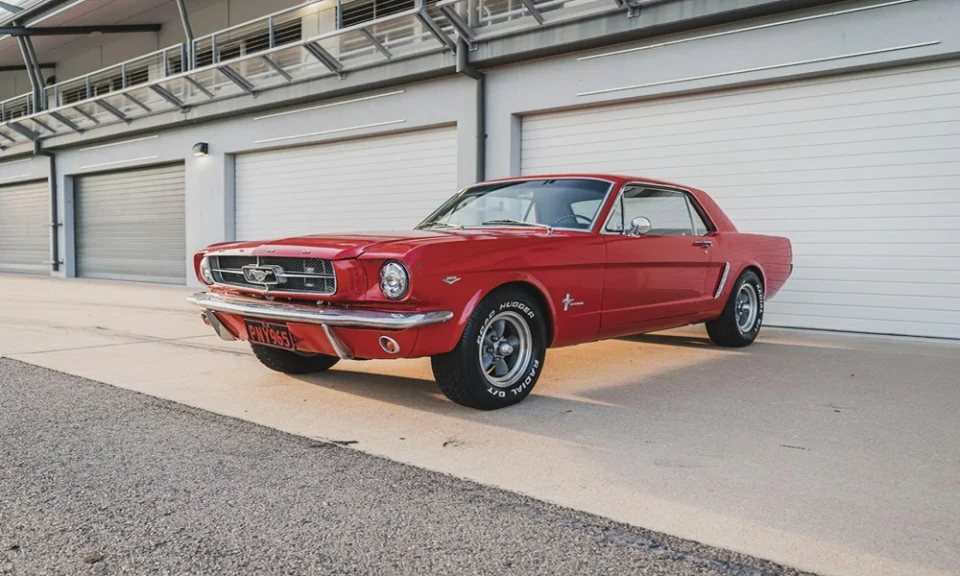
Buying a classic car is about more than acquiring a vehicle. For many enthusiasts, it is an opportunity to own a piece of automotive history, experience a different era of driving, or build a collection around a personal passion.
However, the purchase price is only one part of the financial commitment. Older vehicles can have unique maintenance requirements, insurance considerations, and unexpected expenses that are easy to overlook.
Whether you are considering a vintage sports car, American muscle car, or collectible pickup truck, understanding the complete cost of ownership can help you make a confident and financially responsible decision.
Look Beyond the Advertised Purchase Price
The asking price may be the most visible expense, but it rarely represents the total amount needed to bring a classic car home.
Transportation, registration, taxes, inspection fees, and immediate maintenance can increase your initial investment. These expenses become particularly important when purchasing a vehicle from another state or through an auction.
For example, a car purchased several hundred miles away may require professional transportation rather than a lengthy drive. Even a vehicle described as roadworthy might need new tires, fluids, or minor repairs before regular use.
Before making an offer, prepare an estimated purchase budget that includes the vehicle price and associated transaction expenses.
It is also worth researching comparable vehicles. Two examples of the same model and year can command very different prices depending on originality, condition, documentation, and previous restoration work.
Understanding these differences helps you determine whether the asking price reflects the vehicle’s actual characteristics.
Make a Pre-Purchase Inspection a Priority
A classic car’s appearance does not always reveal its mechanical condition.
Fresh paint, polished chrome, and a clean interior can make an impressive first impression, but hidden corrosion, structural damage, or aging mechanical components may create substantial future expenses.
Whenever possible, arrange an independent inspection by a qualified mechanic familiar with the specific make, model, or generation you are considering.
The inspection should examine important areas such as the engine, transmission, braking system, suspension, electrical components, and structural condition.
Documentation also deserves attention. Maintenance records, restoration photographs, ownership history, and identification numbers can help establish what work has been completed and whether the vehicle matches its advertised description.
A thorough inspection cannot guarantee a trouble-free purchase, but it can uncover issues that affect the car’s value, safety, or suitability.
If significant problems are identified, use the findings to reassess your budget, negotiate appropriately, or reconsider the purchase entirely.
Plan Your Purchase Budget and Financing
Once you understand the vehicle’s condition and likely purchase expenses, the next step is deciding how to pay for it.
Some collectors prefer paying cash, while others explore financing to spread the purchase cost over time. Neither approach is automatically better; the right decision depends on your financial circumstances, available savings, and plans for the vehicle.
Buyers considering financing for classic cars should understand how specialized loan programs may differ from conventional auto loans, particularly regarding vehicle eligibility, repayment periods, and purchase arrangements.
When reviewing borrowing options, look beyond the monthly payment.
A longer repayment period may reduce the amount due each month, but it can also increase total interest costs. Compare the annual percentage rate, loan term, down payment, fees, and overall repayment amount before making a decision.
It is equally important to understand whether a loan includes prepayment penalties or a balloon payment.
Consider maintaining enough accessible savings for repairs and other financial priorities rather than committing your entire available budget to the vehicle itself.
The objective is to choose a payment approach that supports enjoyable ownership without placing unnecessary pressure on your finances.
Account for Maintenance, Storage, and Insurance
Classic vehicles often require a different ownership approach from modern daily drivers.
Depending on their age, design, and condition, they may need specialist mechanics, harder-to-find replacement parts, or more frequent attention to components that deteriorate during storage.
Older cooling systems, rubber seals, fuel components, and electrical connections can all require maintenance.
Before purchasing a particular model, investigate parts availability and the presence of experienced repair specialists in your area.
Storage is another consideration. A dry, secure environment can help protect paintwork, interior materials, and vulnerable mechanical components from unnecessary deterioration.
Insurance requirements may also differ from those of a conventional vehicle. Collector-car policies can include eligibility conditions related to vehicle use, storage, mileage, and agreed values.
Review policy coverage and restrictions carefully, especially if you intend to drive the vehicle frequently.
Creating an annual ownership budget for insurance, maintenance, registration, storage, and occasional repairs makes these recurring expenses easier to manage.
Set Aside a Reserve for Unexpected Repairs
Even carefully maintained classic cars can develop problems after purchase.
Parts may fail because of age, previously completed repairs may need attention, or an initially minor issue may reveal a larger mechanical concern.
For that reason, it is sensible to establish a separate repair reserve rather than relying exclusively on your regular monthly budget.
The appropriate amount will vary depending on the vehicle’s condition, mechanical complexity, parts availability, and intended use.
A recently restored car with extensive documentation may present a different maintenance outlook from a long-stored project vehicle.
Research common model-specific problems and obtain realistic repair estimates when possible.
It also helps to distinguish essential work from optional improvements. Addressing safety-related concerns and mechanical reliability should generally take priority over cosmetic upgrades.
A dedicated financial reserve gives owners greater flexibility when unexpected repairs arise and reduces the temptation to postpone necessary maintenance.
Conclusion
Owning a classic car can be a rewarding experience, but thoughtful financial preparation is essential to enjoying it over the long term.
The most successful purchase decisions consider much more than the advertised price. Vehicle condition, inspections, financing terms, insurance, maintenance, storage, and unexpected repairs all influence the true cost of ownership.
By researching carefully, establishing a realistic budget, and preparing for ongoing expenses, buyers can focus less on financial surprises and more on the experience of preserving and enjoying a distinctive automobile.
