
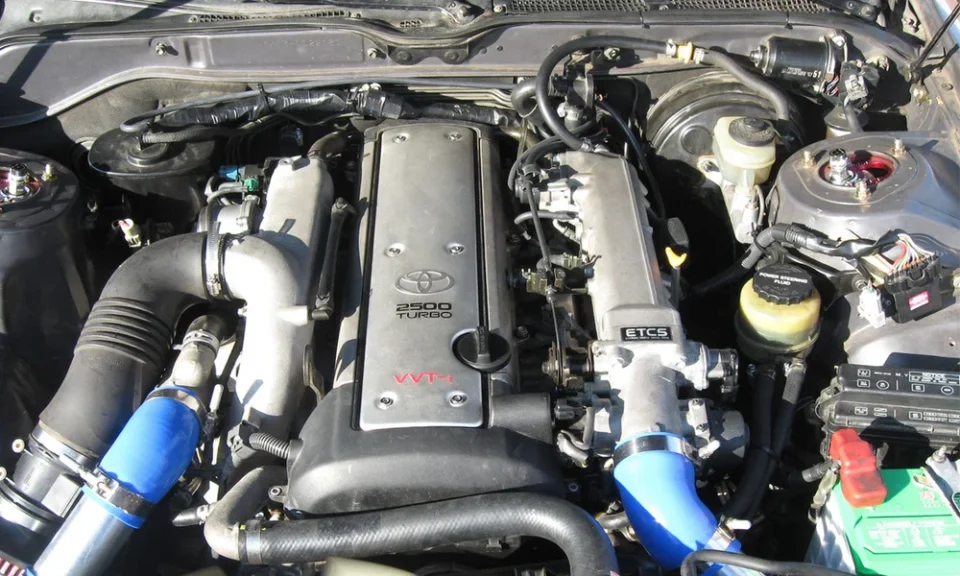
How do you choose one JDM engine out of dozens of listings that all look fine in photos? That question stops a lot of first-time buyers cold, and the usual answer, buy the cheapest one that fits, is exactly how people end up disappointed.
Let me walk you through a framework I have watched work, using a real kind of buyer. Call him Marcus. His Subaru needed an engine, his budget was tight, and he almost bought the wrong one twice before running the purchase through four filters. Here is how it went.
Filter one: match the engine to the mission
Marcus started where everyone should. What is the car actually for?
His Subaru was a daily driver he wanted to keep reliable, not a rally build. That single answer eliminated half his options immediately. He did not need the highest-output engine. He needed a healthy, well-maintained EJ-series unit that would start every morning.
You have to define the mission before you shop. A track car, a daily, a project you will modify later, and a car you plan to sell in two years each point toward different engines. When Marcus browsed the general engines catalog and wanted to compare families, he could learn more here about what fit his platform before narrowing anything down. The mission comes first. Everything else filters against it.
Skip this step and you buy on price or hype. Neither predicts happiness.
Filter two: verify condition over mileage
Marcus’s first near-mistake was a listing with impossibly low stated mileage and a rock-bottom price.
He almost jumped. Then he asked the seller for compression numbers. Silence. He asked for photos of the valve train. Blurry excuses. He walked.
Mileage is a marketing number. Condition is reality. A compression test, a leak-down reading, clean oil passages, and honest photos tell you what the engine will do. A low odometer figure with no supporting evidence tells you what the seller wants you to believe.
Make sellers prove condition. The ones who can are the ones worth buying from. The ones who deflect are showing you exactly why to keep scrolling.
Filter three: confirm the seller stands behind it
Marcus’s second near-mistake was a private seller with a great price and no protection at all.
No warranty. No business address. No returns. Just a payment link and a promise. He had learned his lesson by then and passed.
The seller matters as much as the engine. A business with a warranty, a physical location, and a real return policy has skin in the game. If the engine fails, you have recourse. A stranger on a marketplace offers a lower price precisely because they offer nothing else.
Ask three questions. What does the warranty cover? For how long? What happens if the engine arrives bad? Confident sellers answer instantly. Evasive ones answer with pressure to buy now.
Filter four: budget the whole job
Marcus almost blew his budget on the engine alone, then realized the engine was maybe two-thirds of the real cost.
Shipping. Gaskets and seals. A timing belt and water pump while access is easy. Fluids. Mounts. Labor. The engine price is the headline, not the total.
He rebuilt his math around the complete job. That changed which engine made sense, because a slightly pricier unit with a warranty and free shipping beat a cheaper one that would have cost more once everything was added up.
Budget the finished car, not the box on the pallet. Buyers who plan only for the engine get ambushed by the rest.
Putting the filters together
Marcus ran his final choice through all four. Mission: reliable daily, so a healthy EJ, not a built monster. Condition: a seller who provided compression numbers and clear photos. Seller: a business with a warranty and a real address. Budget: a total that included every supporting part and the labor.
The engine he bought was not the cheapest he saw. It was the one that survived all four filters, and it has run without drama since.
That is the whole framework. Define the mission. Verify condition, not mileage. Confirm the seller has your back. Budget the entire job. Run every candidate through those four filters in order, and the confusing pile of listings sorts itself into a short list of engines actually worth buying.
The buyers who regret their purchase almost always skipped a filter. They bought the cheapest, or trusted the mileage, or ignored the seller, or budgeted only the engine. Any one of those shortcuts is enough to turn a good deal into a bad month.
Why the order matters
People sometimes run the filters out of sequence, and it costs them. If you shop on price first, you fall for a cheap listing before you have defined the mission, and you talk yourself into an engine that does not fit your goals. If you check the seller last, you have already emotionally committed to an engine and you rationalize away the missing warranty. The order protects you from yourself.
Mission first narrows the field before emotion enters. Condition second filters the survivors on evidence rather than hope. Seller third makes sure someone stands behind whatever you choose. Budget last confirms the whole thing is affordable as a complete job. Reverse any of those and the filter stops working, because the earlier decision has already boxed you in.
When to walk away entirely
There is a fifth move the framework implies without stating: sometimes the answer is no engine from this seller, or no swap at all. If a car fails the mission test because it is not worth the investment, the cheapest running option or selling the car may beat any engine purchase. If every candidate fails the condition or seller filters, the right call is to keep looking rather than settle. A framework that only ever says yes is not a framework, it is a rationalization. The willingness to walk is what makes the other four filters honest.
The framework also travels well across platforms. It works whether you drive a Subaru, a Honda, a Toyota, or a Nissan, because the four filters are about the transaction, not the engine family. The specific engine that satisfies the mission changes from car to car, but the discipline of defining the mission, verifying condition, confirming the seller, and budgeting the whole job stays constant. Learn it once on one purchase and you own a method for every drivetrain decision you make afterward.
You do not need to be an expert to buy well. You need a system that catches the mistakes before your money does. Four filters, applied in order, are that system. Use them, and you end up like Marcus a few months later: a running car, a purchase he does not think about, and a story that ends quietly instead of expensively.
